What is a DMC in event planning? The complete guide for corporate & incentive planners
November 6, 2026
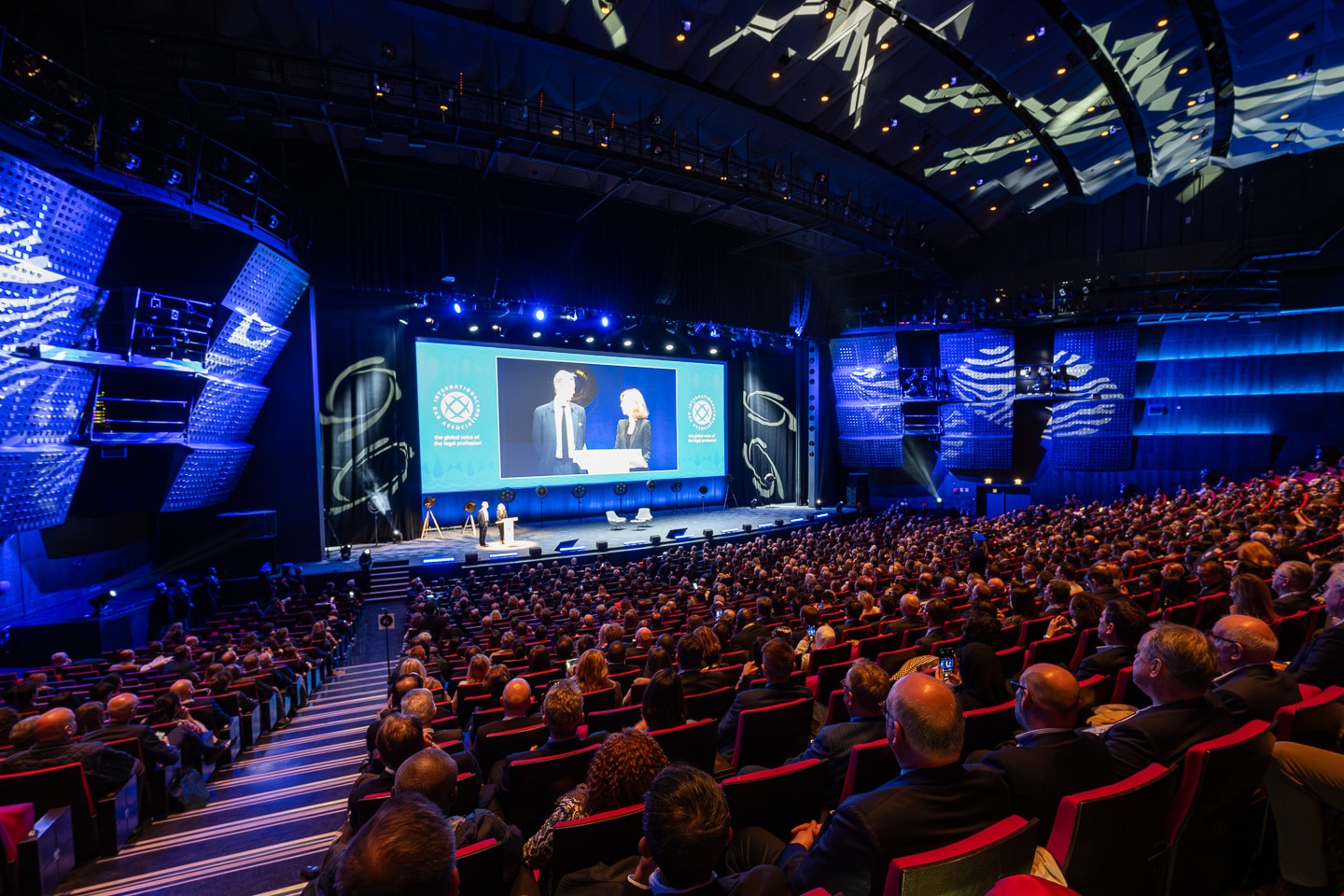
A Destination Management Company (DMC) is a local operational partner that plans and executes the on-the-ground components of a corporate event — venues, logistics, transportation, catering, and entertainment — in a specific destination. Unlike a travel agency, a DMC does not sell flights or hotel rooms in isolation: it designs and runs the full experience once your group has arrived, drawing on established relationships with local suppliers, venues, and authorities.
For event planners working outside their home market, this local execution layer is often the difference between a program that runs smoothly and one depending on remote coordination across time zones and unfamiliar suppliers. That distinction becomes especially clear once you compare what a DMC actually does against what an event agency or a Professional Congress Organizer (PCO) handles — a comparison we’ll walk through below.
What does DMC stand for?
DMC stands for Destination Management Company. The term is sometimes confused with two other acronyms in the events industry — a distinction worth clearing up before going further, since the wrong choice of partner often traces back to this confusion.
A DMO (Destination Marketing Organization), sometimes called a CVB (Convention and Visitors Bureau), promotes a destination and provides free general information to help you choose it. It does not execute your program. A DMC, by contrast, is a commercial operator: it designs, books, and runs the overall on-site experience once you’ve committed to a destination. If a DMO tells you what a city has to offer, a DMC makes it happen — contracts negotiated, suppliers managed, staff on-site.
What does a DMC actually do?
A full-service DMC typically covers the following operational scope for a corporate program:
- Venue sourcing and selection — from convention centers to private estates, châteaux, and exclusive venues not accessible through standard booking channels
- Logistics and transportation — airport transfers, private coaches, staffing, and on-site coordination for groups of any size
- Catering and food & beverage — menu design, dietary accommodation, and partnerships with chefs and caterers suited to the event’s positioning
- Production and technical direction — audiovisual systems, staging, lighting, and live entertainment booking
- Artistic and creative direction — concept design, scenography, and brand storytelling adapted to the event’s objectives
- Team building and group activities — tailored experiences that align with the program’s cultural or strategic goals
- On-site staffing and risk management — bilingual project managers, contingency planning, and real-time problem-solving during execution
The common thread across all of these services is local relationships. A DMC’s value comes from supplier networks built over years in a specific market — access that a remote agency or an in-house team coordinating from abroad simply cannot replicate on short notice.
DMC vs Event Agency vs PCO: What’s the difference?
These three roles are frequently used interchangeably, but they serve distinct functions — and mixing them up is one of the most common sourcing mistakes corporate buyers make.
| DMC | Event Agency | PCO (Professional Congress Organizer) | |
| Primary focus | On-the-ground execution in a specific destination | Full event concept and strategy, often destination-agnostic | Scientific/academic congress and association management |
| Geographic scope | Local — deep expertise in one destination or region | Can operate across multiple destinations | Often international, tied to association calendars |
| Typical client | Corporate planners, incentive houses, agencies needing local execution | Brands seeking end-to-end creative and strategic direction | Medical, scientific, and professional associations |
| Core deliverable | Logistics, venues, suppliers, on-site delivery | Concept, brand experience, campaign integration | Abstract management, registration, delegate housing |
| When you need one | Your event is happening in a destination you don’t operate in locally | You need creative strategy across your entire event program | You’re organizing a congress with academic or association governance requirements |
In practice, these roles frequently work together: an event agency designs the brand experience, a DMC executes it locally, and a PCO manages the congress-specific administrative layer when applicable. Understanding which role you actually need — before issuing
an RFP — saves significant time in the sourcing process.
What is a DMC example for event planning?
Concrete examples illustrate the range of a DMC’s scope better than a services list. Over nearly four decades of operation across Paris, Cannes, Monaco, and Bordeaux, LAFAYETTE DMC has delivered programs spanning the full spectrum of corporate event formats:
- A car launch staged on the Seine river for an automotive brand, combining logistics, venue privatization, and precision timing on a moving location
- The privatization of the Carrousel du Louvre and the Louvre Museum for an opening gala welcoming 3,500 guests
- A dinner cruise experience run across a fleet of boats on the Seine, requiring synchronized catering, staffing, and transportation
- A drone show produced on the beach of the Hôtel Martinez in Cannes as the centerpiece of an evening program
- A corporate event for 3,500 guests at the Musée des Arts Forains in Paris, blending an unconventional venue with full-scale production
Each of these programs required the same underlying discipline: venue negotiation, supplier coordination, contingency planning, and a single point of accountability for the client — the operational definition of what a DMC delivers in practice.
Product Launch Event Planning DMC
Product launches carry specific demands that differentiate them from other corporate event formats: tight confidentiality requirements before the reveal, precise timing between press, VIP, and general attendee experiences, and a venue that reinforces the brand narrative rather than competing with it.
A DMC managing a product launch typically coordinates venue sourcing under NDA, technical production for the reveal moment itself, staged guest flow (press, executives, media, distributors), and post-event hospitality — all while protecting the confidentiality that launch events require until the exact moment of unveiling.
The Seine river car launch referenced above is a direct example of this format: a single reveal moment supported by weeks of discreet logistical preparation.
Why work with a local DMC in France & Monaco?
France and Monaco combine three characteristics that matter directly to corporate event success: international accessibility (Paris ranks among Europe’s leading air and rail hubs, with Nice serving the French Riviera and Monaco), a dense concentration of prestige venues across four distinct markets, and — critically — genuine local expertise which cannot be improvised for a single event.
LAFAYETTE DMC has operated continuously in this market since 1986, with dedicated teams and offices in Paris, Cannes (French Riviera), Bordeaux, and Monaco — four offices covering the full range of French and Monegasque MICE destinations rather than a single city. Paris has held a top-3 position in the ICCA city rankings for international congresses in both 2022 and 2023, while Cannes was voted the world’s best event destination for the same two consecutive years — independent recognition of the market LAFAYETTE DMC operates in daily.
That continuity shows in the client relationships built over the years: international planners and agencies including ICS, FROSCH, Maritz Global Events, GAVEL International, One10, Creative Group and Securian Insurance have worked with LAFAYETTE DMC’s local teams across galas, welcome events, and multi-day incentive programs in Paris, Monaco, and Cannes — engagements that speak to the kind of execution consistency that matters when your event has no room for a second attempt. LAFAYETTE DMC’s Paris office has also been recognized as a Travelife Partner since March 2026, reflecting an ongoing commitment to responsible and sustainable event delivery — an increasingly common requirement in corporate RFPs.
For event planners weighing whether a destination in France or Monaco fits their program, that combination of market access, venue depth, and four decades of continuous local presence is precisely what a DMC exists to provide.
Frequently Asked Questions
Is a DMC the same as a travel agency?
No. A travel agency typically books flights, hotels, and transportation as standalone services. A DMC designs and executes the full on-site experience — venues, logistics, catering, production, and staffing — as an integrated program built around your event’s objectives.
Do I need a DMC if I already have an event agency?
Often, yes. An event agency may lead the creative concept and strategy across your event calendar, while a DMC provides the local execution layer in a destination where you don’t have existing operational relationships. The two roles complement rather than duplicate each other. LAFAYETTE DMC is a local expert who knows his territory and who has forged very strong human links with the actors of the region.
What size of event can a DMC handle?
Scope varies significantly by DMC. LAFAYETTE DMC has managed programs ranging from intimate board-level gatherings to corporate events for several thousand attendees, across formats including incentives, galas, congresses, and product launches.
How is a DMC typically compensated?
Structures vary by provider and program scope — most DMCs work on a combination of a management fee and direct cost pass-through for venues, suppliers, and logistics. Exact terms should be confirmed directly with the DMC as part of the RFP process.
Which destinations does LAFAYETTE DMC cover?
LAFAYETTE DMC covers all France thanks to its 4 offices. Paris, Cannes and the French Riviera, Bordeaux and the Southwest of France, and Monaco — four dedicated local offices under a single operational group.